Songa Jinko Controller: Industrial Solar Telemetry & Monitoring System
The Songa Jinko Controller is an industrial-grade telemetry and monitoring controller engineered for reliable communication with DEYE 3-phase Solar Inverters over ModBus RTU (RS-485). The system operates as the primary data acquisition and control master, continuously collecting operational and electrical parameters from connected inverters, processing the information deterministically, and securely publishing telemetry and events to the Songa ThingsBoard IoT platform using GSM MQTT communication through a Quectel cellular module. Designed around the ESP32 platform and ESP-IDF framework, the controller combines industrial communication reliability, deterministic firmware execution, and robust fail-safe recovery mechanisms for remote solar energy monitoring applications.
The firmware architecture is implemented as a deterministic FreeRTOS-based Safe-Thread System with tasks explicitly pinned to ESP32 cores to guarantee predictable execution, watchdog safety, and task isolation. The MQTT communication task is pinned to Core 0 for GSM connectivity, MQTT handling, RPC operations, and device provisioning, while the RS485 ModBus polling and inverter data acquisition task operates independently on Core 1. An additional UART configuration task handles user commands and field configuration operations. The firmware follows a fully non-blocking RTOS-driven architecture with interrupt-based button handling, time-scheduled telemetry publishing, persistent device identity storage using NVS, and automated recovery mechanisms for resilient field operation in harsh industrial environments.
From a systems engineering perspective, the project involved embedded firmware architecture design, industrial communication integration, GSM MQTT telemetry systems, inverter interfacing, hardware prototyping, installation support, and real-world testing using live inverter systems. The controller supports first-boot provisioning, re-provisioning logic, remote RPC handling, watchdog-supervised execution, and real-time audible and visual feedback through LEDs and buzzer indicators. The development process included extensive bench testing, live inverter integration, prototype iteration, and complete deployment validation to ensure stable telemetry acquisition and reliable remote monitoring performance in operational solar installations.
Industrial IoT Controller
GSM / RS485 / MQTT
ModBus RTU
ESP32 + FreeRTOS
Embedded Systems Engineer
Solar Telemetry & Monitoring
Project Visuals
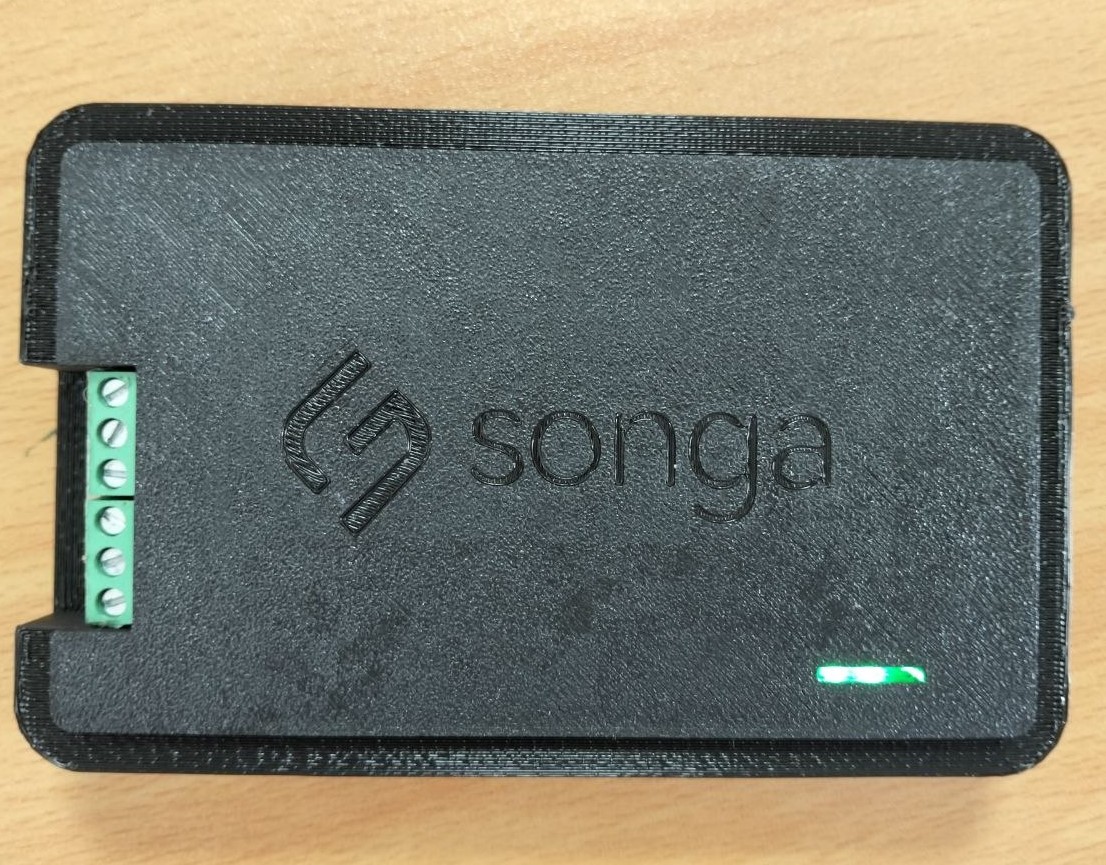
Final Songa Jinko Controller enclosure designed for industrial deployment and remote inverter telemetry applications.
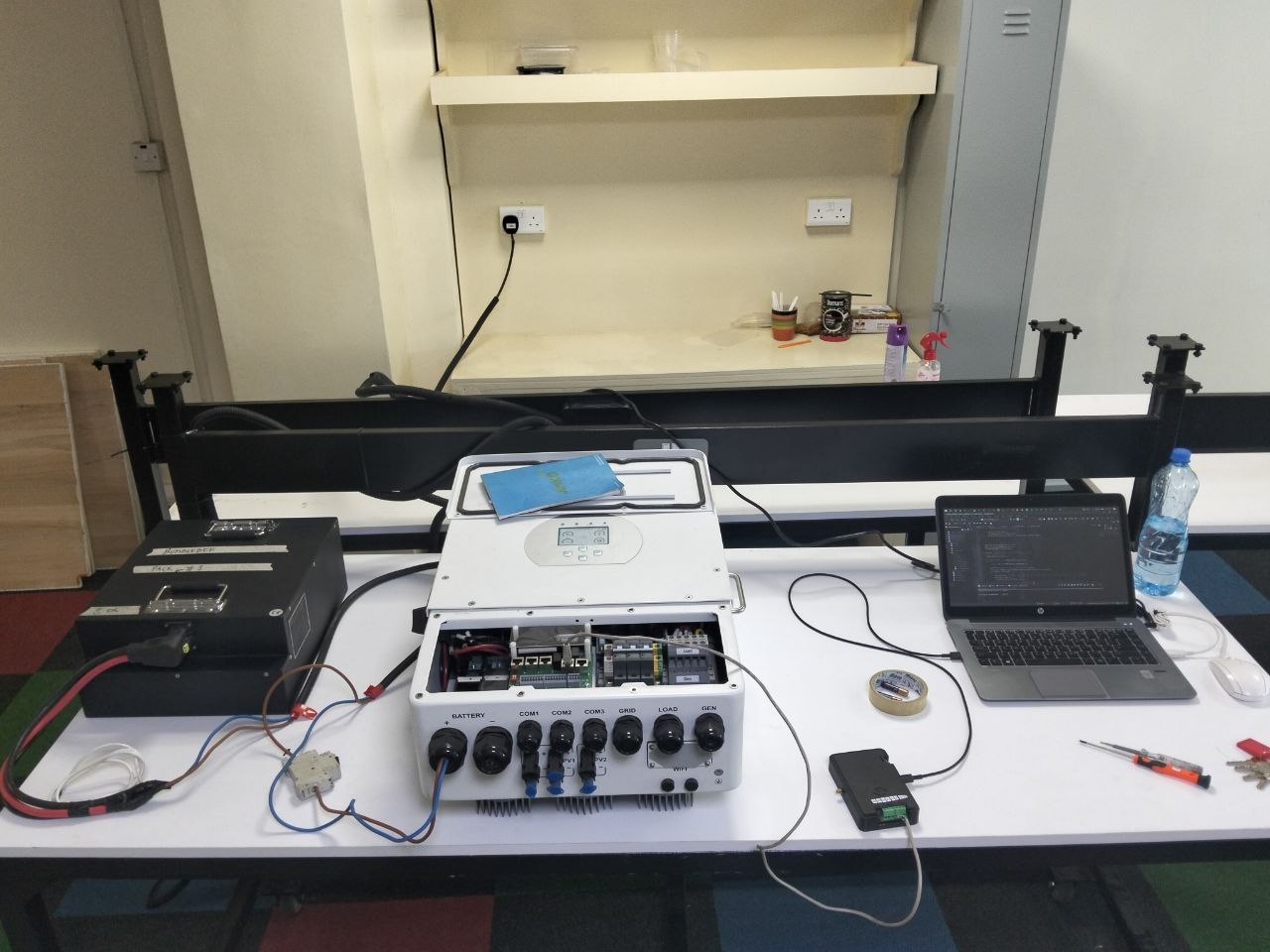
Laboratory inverter testing setup used for firmware validation, RS485 communication testing, telemetry acquisition, and MQTT publishing verification.
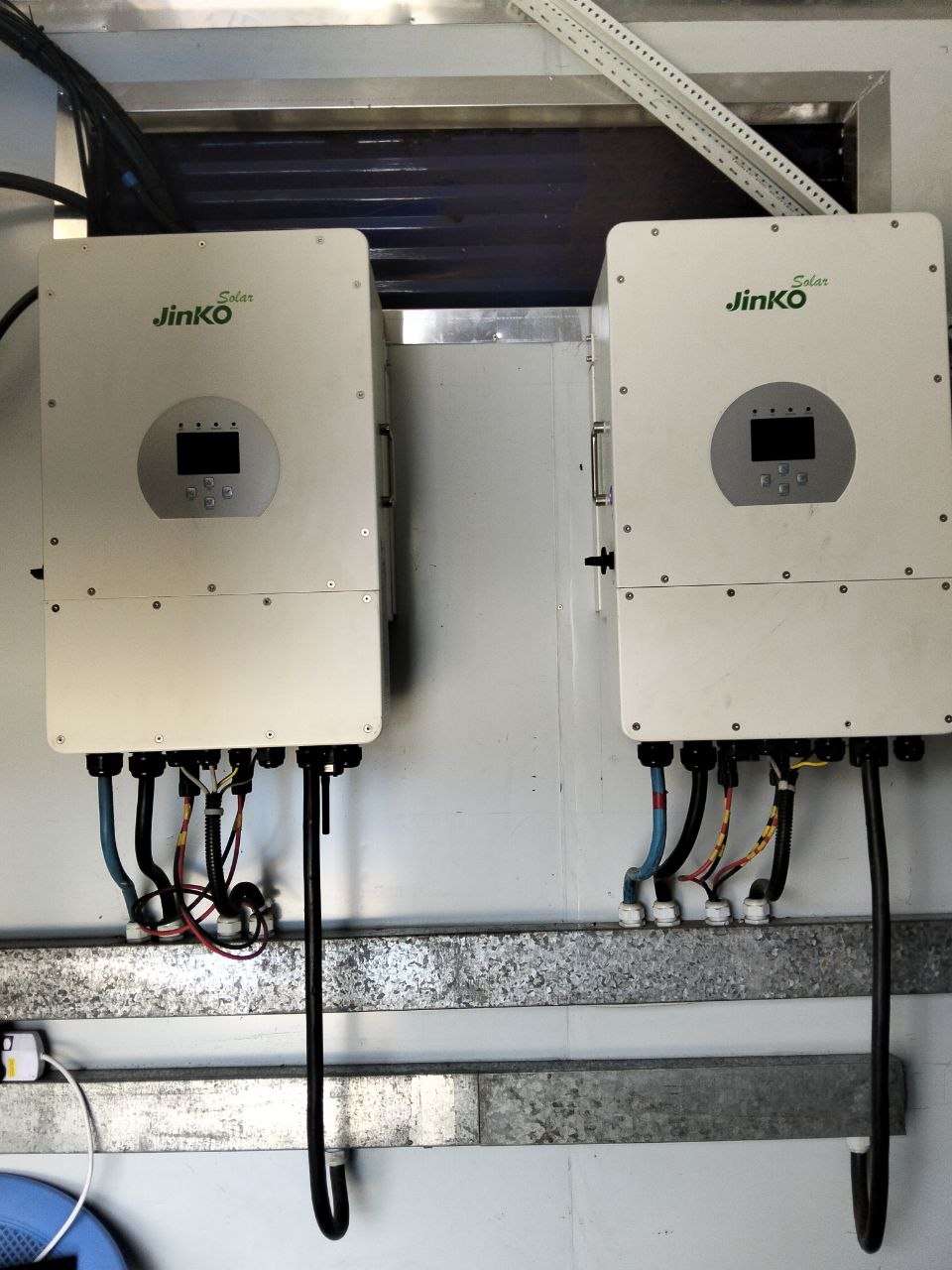
Three-phase DEYE solar inverter installation used during live telemetry integration and ModBus RTU communication testing with the Jinko Controller.
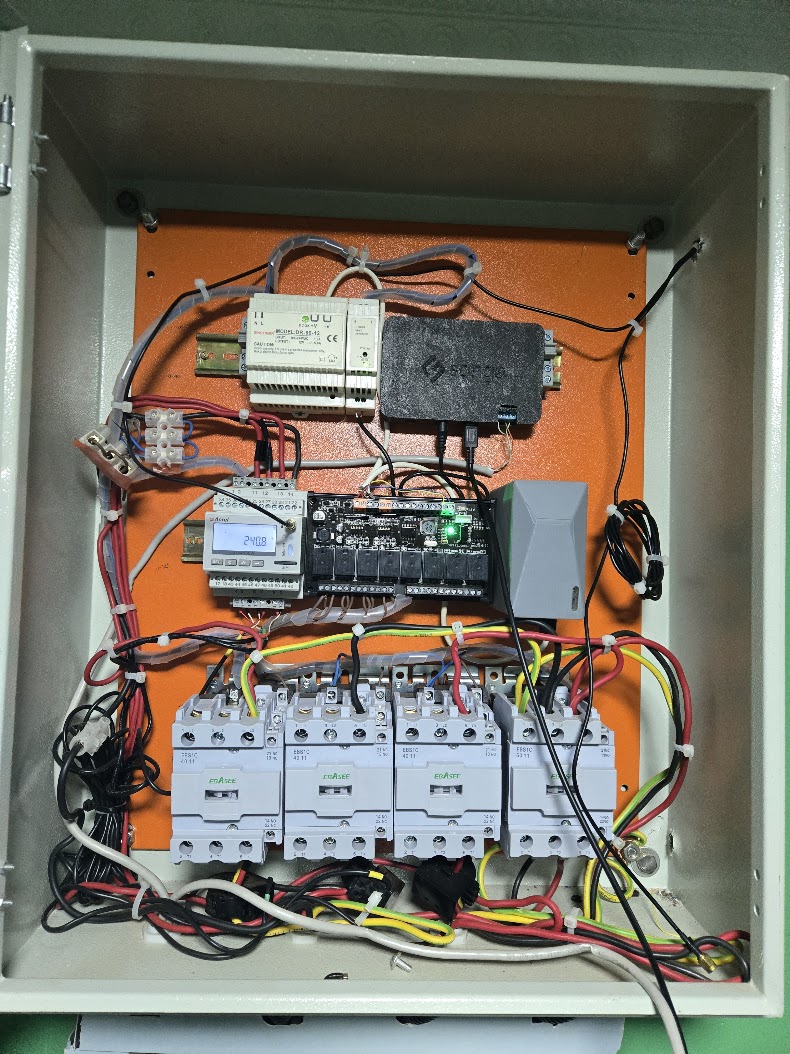
installation panel at Kisii showing industrial wiring, power distribution, communication interfaces, and integrated control hardware.
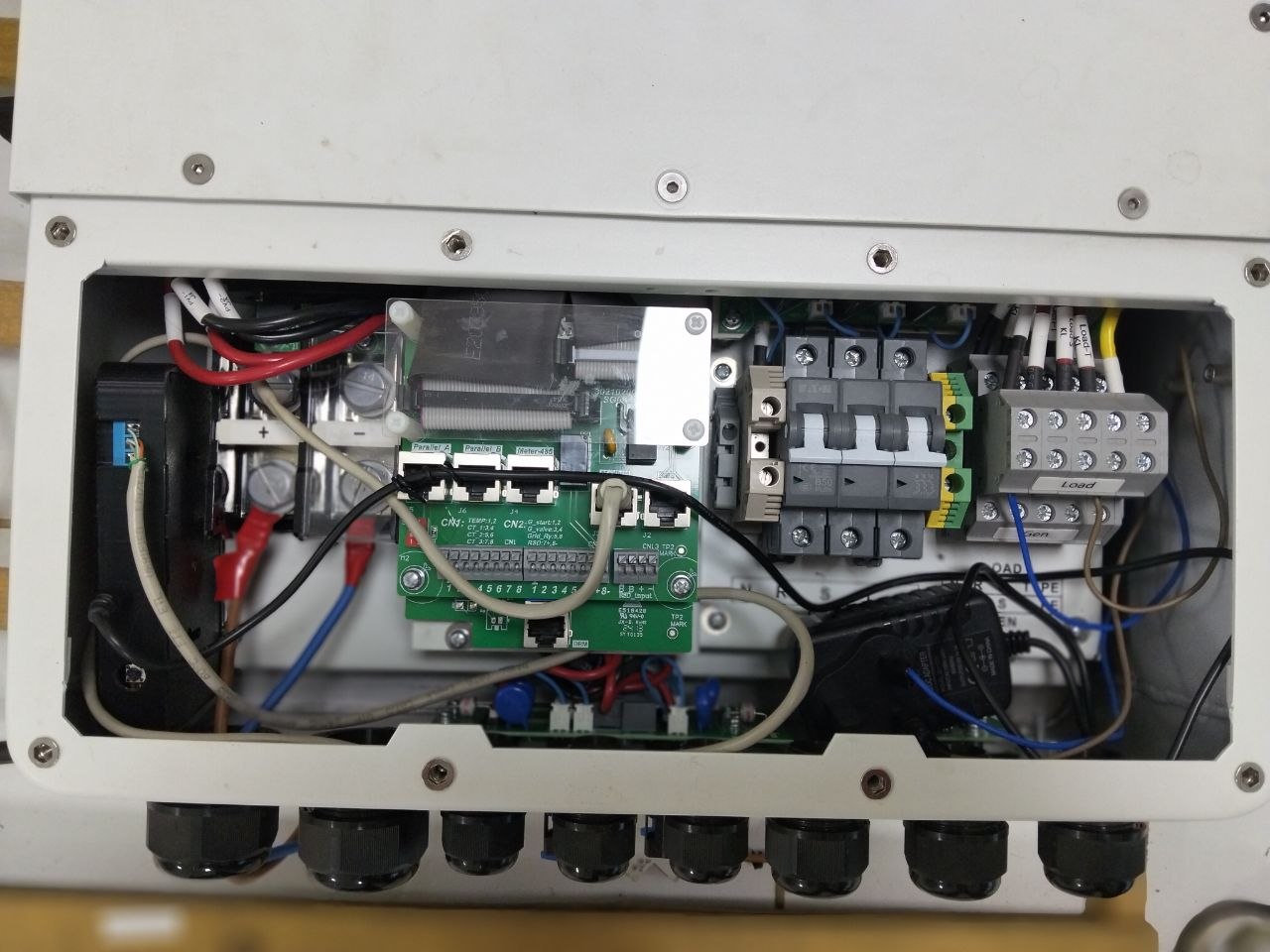
Inverter integration and communication test assembly used during system debugging, telemetry validation, and ModBus RTU verification.
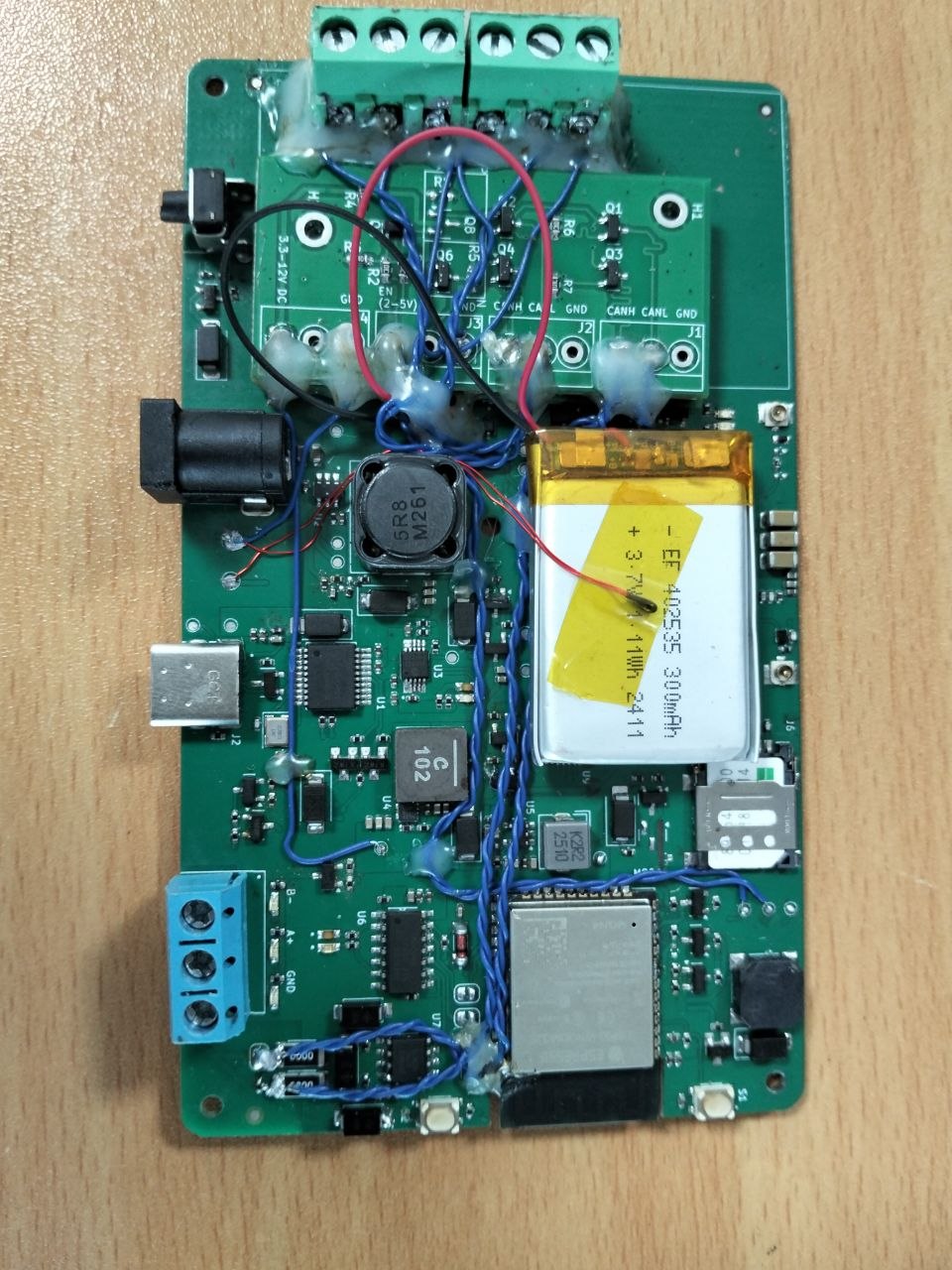
Early Jinko Controller prototype PCB featuring ESP32-based control hardware, communication circuitry, GSM integration, and power management subsystems.
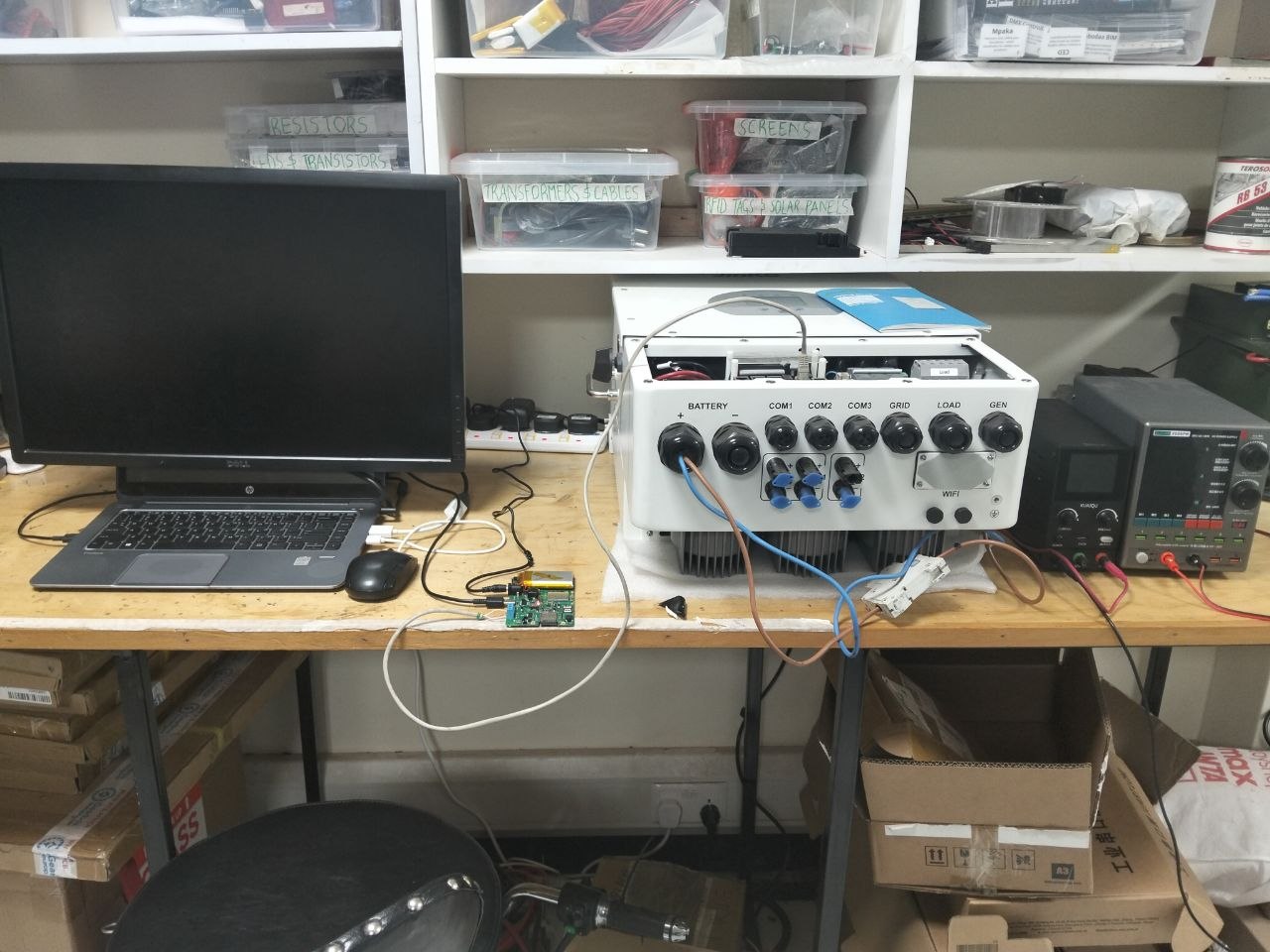
Bench testing environment used for firmware debugging, UART command validation, inverter polling tests, and MQTT telemetry verification.
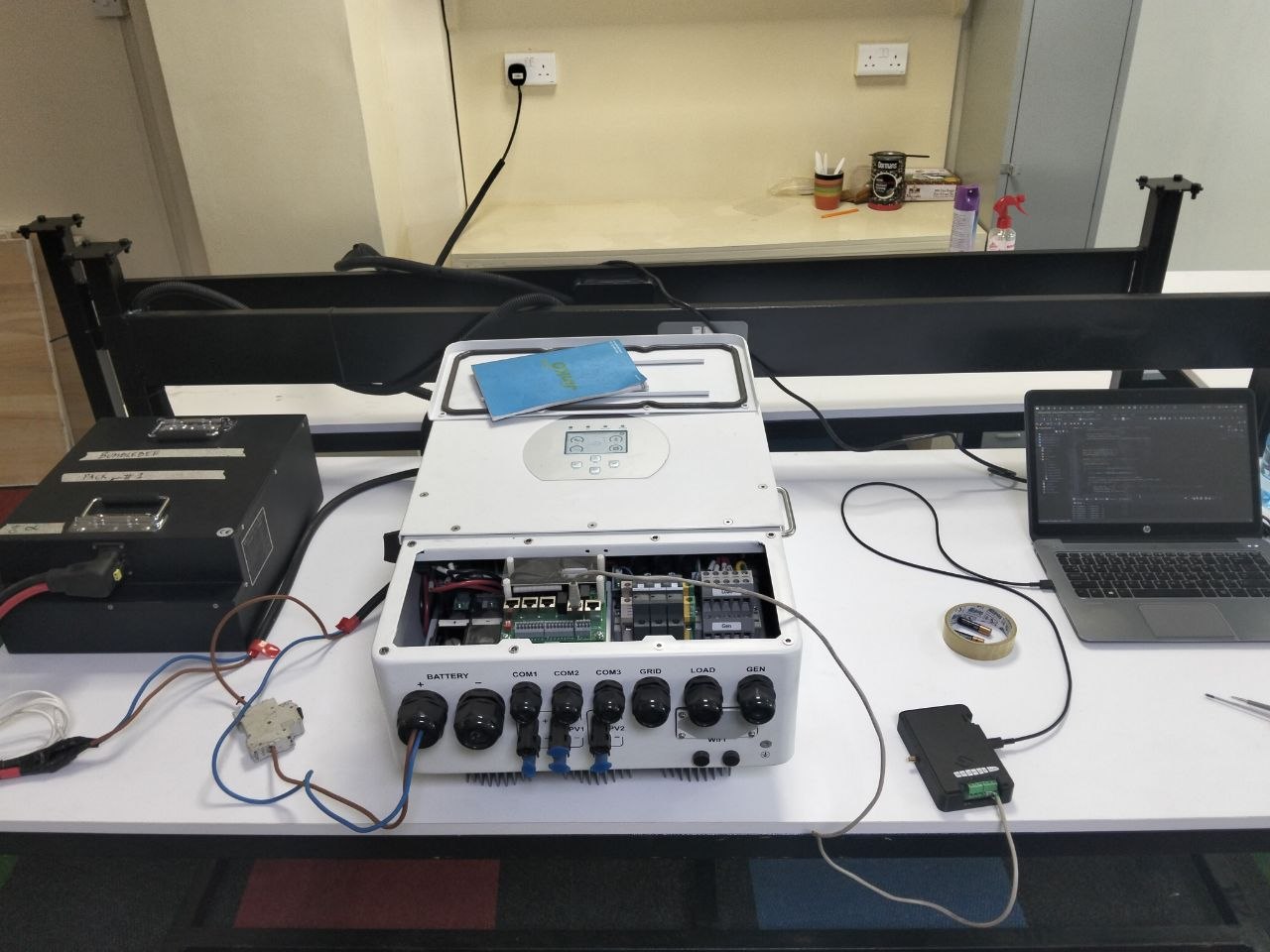
Live firmware testing session demonstrating deterministic FreeRTOS task execution, inverter communication, and telemetry publishing workflows.
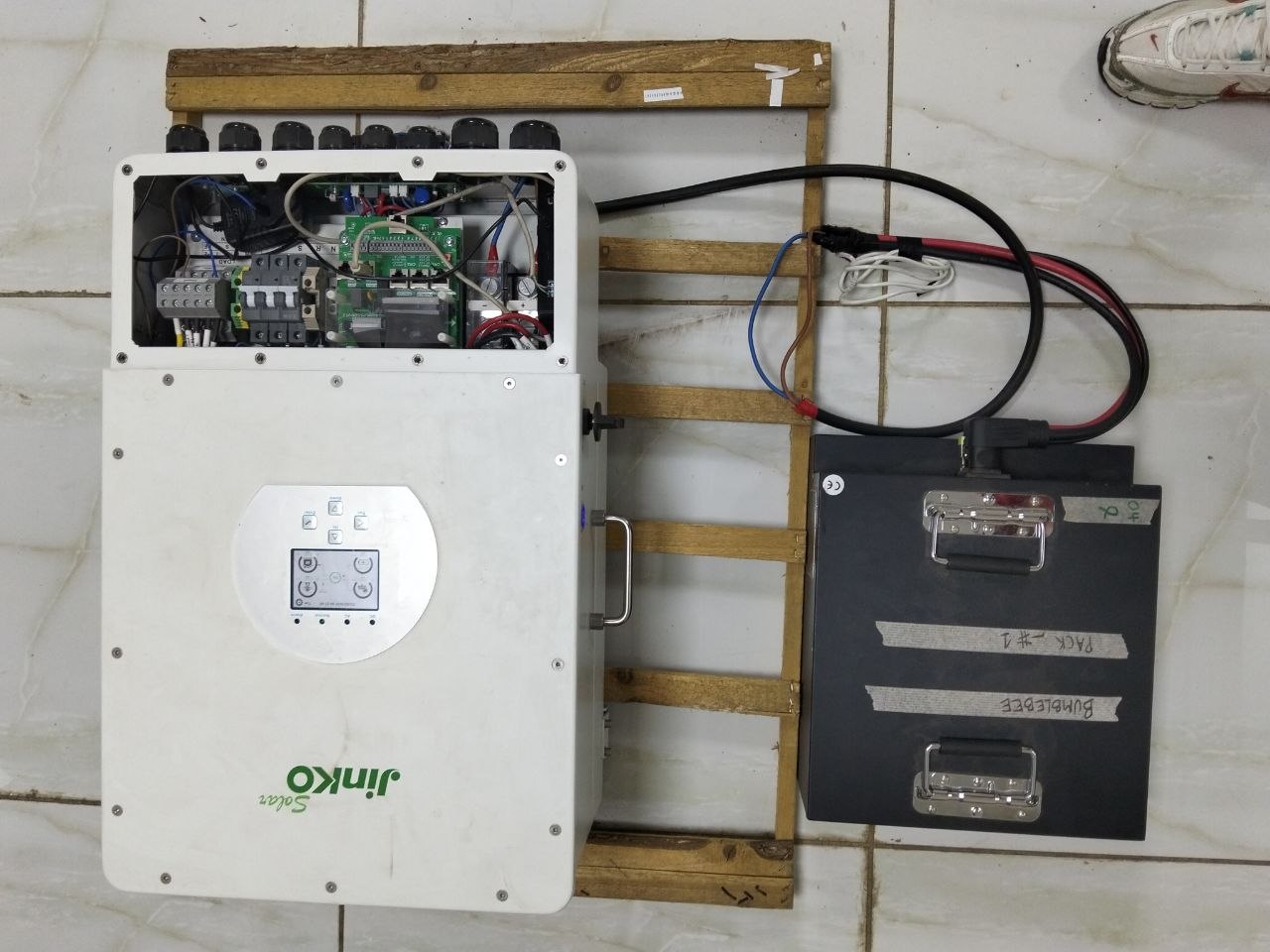
Full system development and integration setup showing inverter hardware, battery systems, controller integration, and field deployment testing infrastructure.